
An Audiologist's Take on the Oto Tinnitus App
Oto app provides structured daily CBT-based tinnitus management through audio lessons and mindfulness exercises, best used as a complement to professional audiological care.
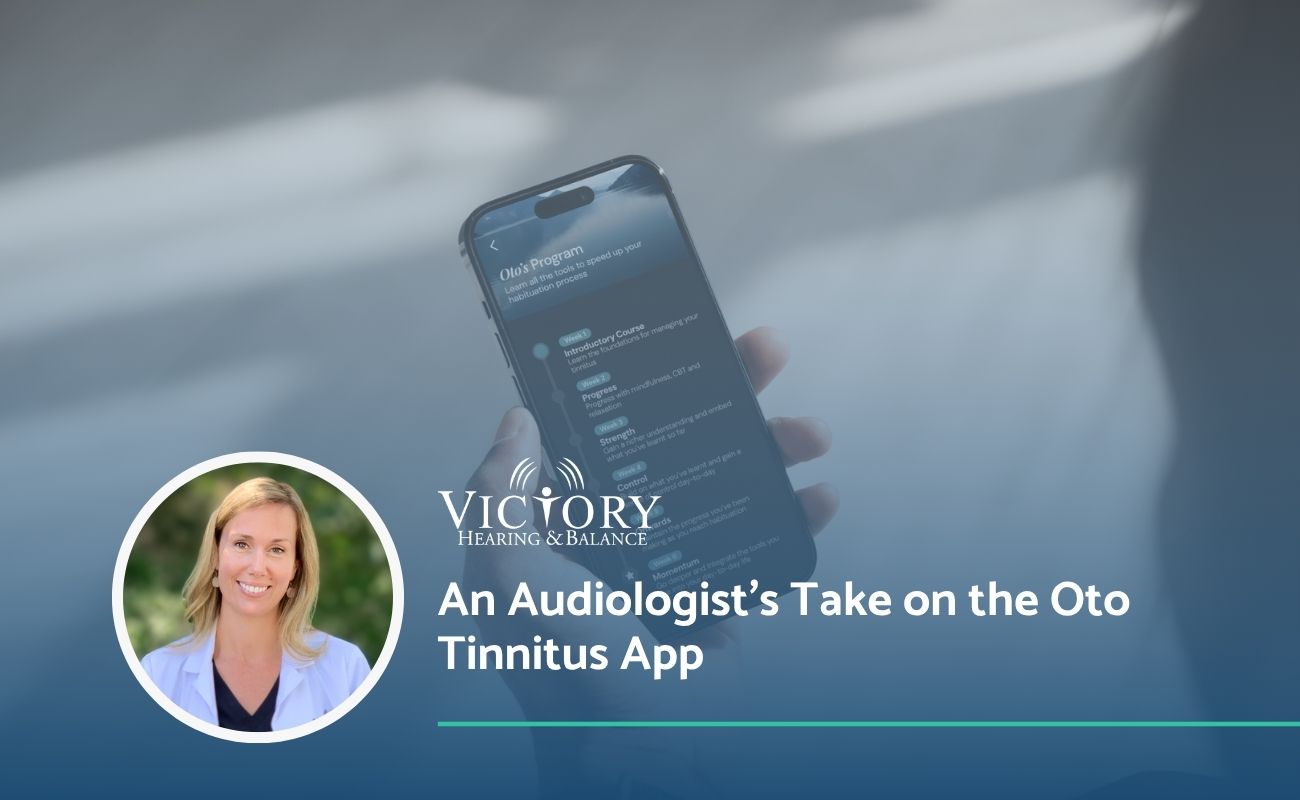
Patients dealing with tinnitus are resourceful. They find forums, YouTube videos, Facebook groups — and increasingly, apps. The Oto app comes up in our conversations fairly often, which is a good sign. It means you're actively looking for relief rather than just waiting and hoping the ringing fades on its own.
So here's an honest look at what Oto does, where it helps, and where it falls short.
What Oto Actually Does
Oto isn't a white noise machine. It's a structured, subscription-based program built specifically for tinnitus management. Each day, you get a short audio lesson, a recommended exercise, and a quick check-in to track how you're doing. The curriculum also includes mindfulness and breathing exercises, sleep support tools, and a CBT-based approach broken into manageable sessions.
That daily structure is one of its strongest features. Habituation — your brain learning to tune out the tinnitus — doesn't happen from a single session. Apps that build consistent daily habits are far more likely to make a difference than tools you only reach for when you're frustrated.
Why the Mental Side of Tinnitus Matters
A lot of people are surprised to learn that the goal of tinnitus treatment isn't to make the sound disappear. For most people with chronic tinnitus, the ringing isn't going away. The goal is getting to a place where it stops demanding your attention and disrupting your life.
Cognitive behavioral therapy (CBT) helps with this because tinnitus distress isn't just about the noise — it's about how your brain reacts to it. When your brain treats the sound as threatening, it keeps tinnitus front and center, like an alarm you can't silence. CBT helps rewire that response. You're not ignoring the tinnitus; you're training your brain to treat it as less urgent, less alarming.
Oto delivers this through short, accessible audio lessons that don't require any background in psychology. For patients who stay consistent, it can meaningfully support that process over time.
What the App Can't Do
This is where we want to be direct.
Oto is not a diagnostic tool. It can't detect hearing loss — and nearly 90% of people with tinnitus have some degree of it, often without realizing. Untreated hearing loss is one of the most common drivers of tinnitus, and addressing it (usually with hearing aids) is one of the most effective ways to reduce how much tinnitus bothers you. No app catches that.
Oto also can't measure your specific tinnitus — the exact pitch and volume your brain is producing. That clinical measurement helps us build a more targeted treatment plan. Without it, sound therapy stays general rather than personalized.
And some tinnitus symptoms need a doctor, not an app. If your tinnitus came on suddenly, is only in one ear, pulses in time with your heartbeat, or is getting worse — please get a clinical evaluation. Those patterns can point to underlying conditions that require medical attention.
Who Benefits Most from the App
Oto works best as a complement to professional care, not a replacement for it. That said, it's a genuinely good fit for certain situations:
- You have mild tinnitus and want a structured daily self-management tool
- You're already working with an audiologist and want more support between appointments
- You've completed a clinical tinnitus program and want to maintain your progress
- You're waiting for your first evaluation and need something helpful in the meantime
It's less likely to be enough on its own if you have significant hearing loss, severe tinnitus distress, or symptoms that are disrupting your sleep, work, or mental health. Those situations call for a more complete approach.
How We Think About It at Victory Hearing and Balance
Dr. Jill Davis takes a personalized approach to tinnitus management — which means every plan looks a little different. Some patients do well with hearing aids alone, since amplification adds more sound to the environment and reduces the contrast that makes tinnitus so noticeable. Others benefit from structured sound therapy, CBT counseling, or tinnitus retraining therapy.
For the right patients, apps like Oto can absolutely play a supporting role — particularly for daily mindfulness practice and sleep support. We don't suggest starting with an app before getting an evaluation, but we're not dismissive of them either. They're one useful tool among several.
Ready to Get a Full Picture?
If tinnitus is affecting your sleep, concentration, or quality of life — or if you've been using an app without much improvement — a comprehensive evaluation is the right next step.
Dr. Davis sees patients at our West Lake Hills and Hutto locations. A full evaluation includes a hearing assessment, tinnitus pitch and intensity matching, and a personalized management plan. Call us at 512-443-3500 to schedule. You don't have to figure this out alone.
Schedule a Consultation Today!
Contact Victory Hearing & Wellness for more information about their comprehensive wellness programs and services.